Minimalist Wooden Cross Symbol Isolated: A Design Evaluation
In the realm of graphic design and digital crafting, the choice of a central visual element often dictates the success of a project. The Minimalist Wooden Cross Symbol Isolated represents a specific aesthetic approach that prioritizes clarity, simplicity, and versatility. Unlike ornate or heavily textured religious iconography, this design asset strips away unnecessary detail to focus on the essential form. For designers, crafters, and content creators aged 20 to 50 who are evaluating resources for branding, merchandise, or personal projects, understanding the utility and limitations of this specific style is crucial for making informed decisions.
This article explores the characteristics of the Minimalist Wooden Cross Symbol Isolated, compares it with alternative design approaches, and outlines the scenarios where it serves as the optimal choice versus when other options might be more appropriate. By examining its technical specifications, stylistic impact, and practical applications, readers can determine if this silhouette clip art aligns with their creative workflow.
Defining the Minimalist Wooden Cross Symbol Isolated
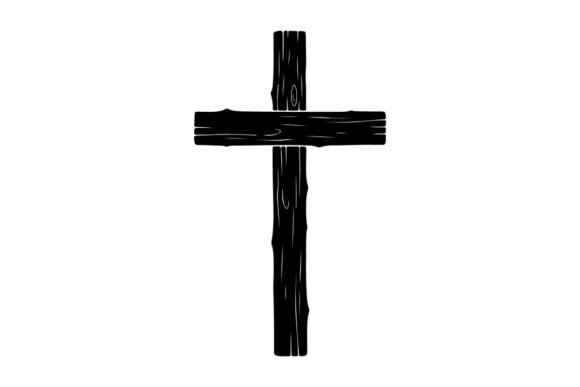
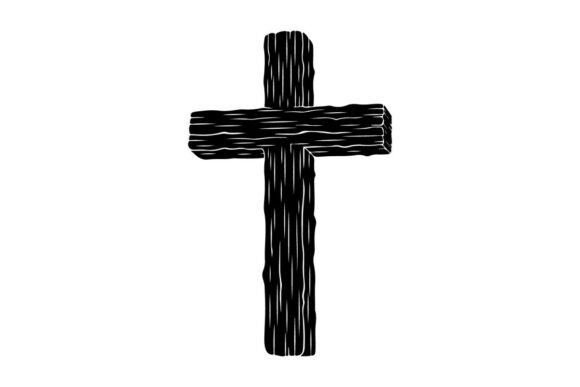
The term "Minimalist Wooden Cross Symbol Isolated" refers to a digital graphic asset characterized by three distinct features: minimalism, texture implication, and isolation. While the design may not always feature realistic wood grain textures in every iteration, the concept implies a sturdy, natural material through bold, clean lines that mimic the structural integrity of carved wood. The "isolated" aspect means the subject is presented against a transparent background, free from shadows, drop caps, or surrounding context.
What makes this symbol distinct is its reliance on negative space and geometric precision. Instead of relying on intricate shading or photorealistic rendering, the design uses solid shapes to convey meaning. This approach results in an elegant silhouette that remains legible even at small scales. The clean edges and smooth curves ensure that the symbol retains its professional appearance whether it is printed on a business card or cut out of vinyl for a large banner.
For professionals seeking a modern interpretation of traditional symbols, this asset offers a bridge between heritage and contemporary design trends. It avoids the clutter often found in vintage clip art while maintaining the solemnity and recognition associated with the cross symbol. The result is a versatile tool that integrates seamlessly into various color palettes and layout structures without overwhelming other design elements.
Comparing Styles: Minimalism vs. Ornate and Realistic Approaches
When evaluating design assets, it is helpful to compare the Minimalist Wooden Cross Symbol Isolated against other common styles available in the market. The primary alternatives typically fall into two categories: ornate/traditional designs and photorealistic illustrations.
Ornate and Traditional Styles
Traditional cross designs often feature elaborate filigree, gothic arches, or detailed engravings. While these styles are effective for projects requiring a historical or ecclesiastical feel, they can suffer from scalability issues. When reduced in size, the fine details of an ornate cross can blur or become indistinguishable. In contrast, the minimalist silhouette maintains its structural integrity regardless of size. If your project requires a logo that must appear clearly on a mobile app icon or a small product tag, the minimalist approach offers a significant advantage over complex alternatives.
Photorealistic and Textured Illustrations
Another alternative is the use of photorealistic images or highly textured vector art that mimics actual wood grain. These assets provide depth and realism but come with tradeoffs. They often require higher file sizes, which can slow down web loading times. Furthermore, integrating a heavy texture into a flat design layout can create visual dissonance. The Minimalist Wooden Cross Symbol Isolated, being a clean silhouette, allows for greater flexibility. Designers can apply their own textures, gradients, or colors later if needed, whereas a pre-textured image locks the designer into a specific look.
Abstract and Geometric Variations
Some designers opt for purely abstract geometric crosses that lack any reference to materiality. While these are modern, they may lack the warmth implied by the "wooden" descriptor. The Minimalist Wooden Cross Symbol Isolated strikes a balance; it is geometric enough to be modern but retains a sense of organic weight that purely abstract forms sometimes miss. This makes it particularly suitable for brands that want to communicate stability and tradition without appearing dated.
Technical Considerations and Workflow Integration
The utility of a design asset is heavily dependent on its technical format and compatibility with current software tools. The Minimalist Wooden Cross Symbol Isolated is typically provided in formats such as high-resolution PNG (300 DPI) and scalable SVG vectors. Understanding the implications of these formats is vital for efficient workflow management.
Scalability and Vector Formats
The inclusion of an SVG (Scalable Vector Graphics) file is a critical factor for professional use. Unlike raster images (such as JPEGs), vector graphics are mathematically defined, meaning they can be scaled infinitely without losing quality. This is essential for projects ranging from small embroidery patches to large-scale signage. The clean lines of the minimalist silhouette are perfectly suited for vector manipulation, allowing users to adjust stroke widths, split paths, or modify the shape in software like Adobe Illustrator, CorelDRAW, or Inkscape.
Cutting Machine Compatibility
For those involved in physical crafting using machines like Cricut or Silhouette Cameo, the isolated nature of the silhouette is paramount. Complex images with internal holes or thin lines can cause cutting errors or require extensive weeding. The bold forms of this specific cross symbol are optimized for clean cuts, reducing the risk of material waste and machine jams. The simplified structure ensures that the final output matches the digital preview accurately.
Resolution and Print Quality
For print applications, the availability of a 300 DPI PNG ensures that the image will appear crisp on paper, fabric, or packaging. However, users should note that while PNGs are excellent for fixed-size prints, they cannot be enlarged beyond their original resolution without pixelation. Therefore, the decision to use the PNG version versus the SVG version depends entirely on the intended output size. For variable sizing needs, the vector format remains the superior choice.
Evaluating Use Cases: When to Choose This Asset
Determining whether the Minimalist Wooden Cross Symbol Isolated is the right resource involves assessing the specific goals of your project. There are clear situations where this style excels and others where it may fall short.
Ideal Scenarios
- Brand Identity: For companies or organizations seeking a modern, approachable logo, the clean lines of this symbol work well. It conveys values of simplicity, honesty, and stability.
- Merge and Merchandise: T-shirts, tote bags, and mugs benefit from bold silhouettes that remain visible after printing. The lack of intricate detail ensures the design survives the transfer process without degradation.
- Web and UI Design: Digital interfaces require lightweight assets that load quickly. The isolated silhouette fits perfectly into icon sets and navigation bars without distracting the user.
- Crafting and DIY: As mentioned, the clean paths make this ideal for vinyl cutting, laser engraving, and stencil creation.
Situations Requiring Alternatives
- Historical Documentation: If a project demands strict historical accuracy or a specific era's artistic style, a minimalist modern interpretation may feel too generic or anachronistic.
- Emotional Depth via Texture: Some campaigns rely on the tactile sensation of rough wood or the play of light and shadow to evoke emotion. A flat silhouette cannot replicate this depth without additional post-processing.
- Complex Layouts: In very dense layouts where multiple elements compete for attention, a single bold symbol might dominate the space too aggressively. A more subtle, line-art version might be preferable in such cases.
Decision Factors for Creators
Before committing to the Minimalist Wooden Cross Symbol Isolated, creators should weigh several decision factors. First, consider the longevity of the design. Minimalist trends have proven durable, but they do carry a specific modern connotation. Ensure this aligns with the brand's long-term vision. Second, evaluate the customization requirements. While the silhouette is easy to edit, it starts as a solid block. If you need to add intricate patterns inside the cross, you may need to invest time in vector editing software to break apart the shape.
Finally, assess the target audience. A younger demographic or a tech-forward audience may respond better to the sleek, uncluttered aesthetic. Conversely, a traditional audience might prefer more classical detailing. The strength of the Minimalist Wooden Cross Symbol Isolated lies in its neutrality; it acts as a blank canvas that can be adapted, but it requires the designer to bring the specific personality to the project through color, typography, and layout.
In conclusion, this design asset offers a robust solution for those prioritizing clarity, scalability, and ease of use. By understanding its strengths relative to ornate or realistic alternatives, designers can confidently select it for projects where a strong, modern visual impact is required. Whether for commercial branding or personal crafting, its versatility ensures it remains a valuable component in a professional toolkit.