Vintage Floral Scroll Corner Decoration: A Practical Guide for Designers
In the realm of graphic design, the choice of ornamental elements often defines the tone and professionalism of a final project. The Vintage Floral Scroll Corner Decoration stands out as a specific aesthetic tool designed to add sophistication, history, and structure to visual compositions. Unlike generic clip art or modern geometric accents, these corner ornaments rely on intricate scrollwork and botanical motifs to create a sense of timeless elegance. For designers, illustrators, and DIY enthusiasts, understanding the nuances of this style is essential for determining when it enhances a project and when it might detract from the intended message.
This guide explores the distinct characteristics of vintage floral scroll corner decorations, compares them with alternative design approaches, and evaluates their practical application across various media. By examining the technical specifications and stylistic tradeoffs, you can make an informed decision about whether this resource fits your specific creative needs.
Defining the Vintage Floral Scroll Aesthetic
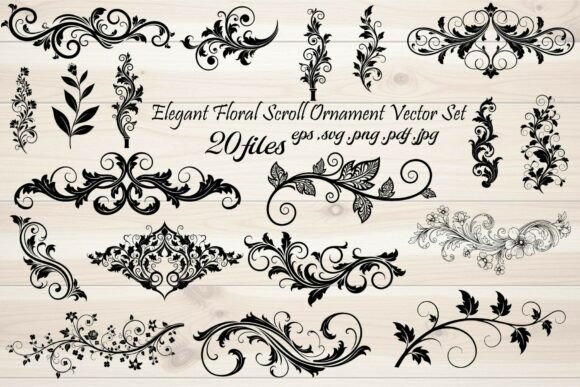
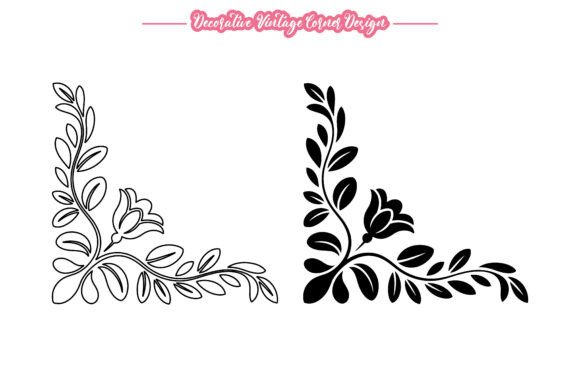
The Vintage Floral Scroll Corner Decoration is more than just a decorative border; it is a compositional device rooted in classical design principles. Typically, these designs feature elaborate curvilinear lines, acanthus leaves, roses, or other period-specific flora arranged in a quadrant format. What makes this style distinct is its dual capability: it functions effectively as a solid filled element for bold statements or as an outline for subtle, refined framing.
Historically, such ornamentation was used in calligraphy, bookbinding, and architecture to denote importance and quality. In modern digital design, a high-quality vector version of this decoration allows creators to replicate that gravitas without the limitations of physical materials. The distinction lies in the level of detail and scalability. A true vintage-style vector maintains crisp edges and complex internal structures even when resized, ensuring that the delicate filigree does not pixelate or lose definition.
When evaluating a Vintage Floral Scroll Corner Decoration, look for versatility in line weight and texture. The best resources offer both solid and outline variations within the same package, providing flexibility for different background colors and contrast requirements. This adaptability is crucial for projects ranging from formal certificates to romantic wedding invitations, where the visual weight of the ornament must balance with the typography and imagery.
Comparing Vector Formats: EPS vs. Raster Alternatives
One of the most critical factors in choosing a design resource is the file format. While raster images (such as JPG or PNG) are common, they present significant limitations for professional work. A Vintage Floral Scroll Corner Decoration provided in a high-resolution JPG format may appear sharp at 300 DPI, but it cannot be scaled beyond its original dimensions without quality loss. If a designer needs to expand the corner piece to fit a large banner or shrink it for a business card, a raster image will inevitably become blurry or jagged.
In contrast, the EPS file format offers a superior solution for scalable graphics. As a vector format, the EPS file stores the design as mathematical paths rather than pixels. This means the intricate scrollwork remains perfectly crisp at any size, from a tiny logo icon to a billboard-sized print. Furthermore, EPS files are fully editable in software like Adobe Illustrator. This editability allows users to modify individual nodes, change line weights, and alter colors to match brand guidelines precisely.
Consider the tradeoffs: while JPGs are universally compatible and easy to open in basic viewers, they lack the structural integrity required for professional printing and branding. The EPS format requires specific software to edit, which might be a barrier for beginners, but the long-term benefits in flexibility and quality far outweigh the initial learning curve. For anyone serious about creating polished, professional-grade materials, the vector approach is the standard choice.
Use Cases: When to Choose Vintage Scrolls Over Modern Styles
Selecting the right decorative element depends heavily on the context of the project. The Vintage Floral Scroll Corner Decoration is ideally suited for designs that require a sense of tradition, formality, or nostalgia. It pairs exceptionally well with serif typefaces, monograms, and muted color palettes. Common applications include:
- Invitations and Stationery: Weddings, anniversaries, and formal galas often benefit from the romantic and classic feel of floral scrolls.
- Certificates and Awards: Academic diplomas, achievement awards, and official documents use these ornaments to convey authority and prestige.
- Branding and Logos: Businesses in the hospitality, luxury goods, or artisanal sectors may use these elements to establish a heritage brand identity.
- Scrapbooking and DIY Crafts: Hobbyists looking to add a touch of elegance to handmade albums or greeting cards find these vectors invaluable.
However, there are scenarios where this style may not be the best fit. For brands aiming for a minimalist, futuristic, or ultra-modern aesthetic, the density and complexity of a vintage scroll can feel cluttered or outdated. In corporate tech presentations or sleek mobile app interfaces, a clean geometric border or a simple line accent often communicates clarity more effectively. The key is alignment: if the design goal is to evoke history and craftsmanship, the vintage scroll is appropriate. If the goal is speed and minimalism, a simpler alternative is preferable.
Evaluating Technical Specifications and Quality
When acquiring a Vintage Floral Scroll Corner Decoration, the technical specifications determine its utility. A premium design package typically includes several key features that ensure professional results. First, the resolution should be at least 300 DPI for print-ready JPG versions. This ensures that when the file is converted to a raster format for web use or proofing, the image retains its sharpness.
Color mode is another vital consideration. Files saved in RGB color mode are optimized for digital screens, making them ideal for websites, social media, and digital presentations. However, for offset printing, designers must ensure the file can be easily converted to CMYK without losing vibrancy. A well-structured EPS file usually handles this conversion smoothly, whereas poorly constructed files may result in muddy colors or unexpected shifts during the printing process.
Furthermore, the ability to edit colors is a significant advantage. A high-quality package provides a 100% editable vector shape, allowing the user to change the hue of the scrollwork to match any palette. This is particularly useful for rebranding efforts or seasonal updates. If a design is locked into a single color scheme, its versatility is severely limited. Therefore, prioritizing resources that offer full editability ensures that the investment in the asset yields maximum return over time.
Decision Factors: Weighing the Investment
Deciding whether to integrate a Vintage Floral Scroll Corner Decoration into your workflow involves weighing cost against value. While free alternatives exist online, they often suffer from low resolution, limited editing capabilities, or inconsistent artistic quality. Professional-grade vectors, such as those packaged with multiple file formats (EPS, JPG) and high-resolution standards, represent a reliable investment for consistent output.
For freelancers and agencies, using a trusted, high-quality asset reduces the time spent on cleanup and modification. Instead of tracing low-quality images or struggling with pixelated borders, a ready-to-use vector file streamlines the design process. Additionally, having access to both solid and outline styles within one package expands the creative possibilities without requiring additional purchases.
Ultimately, the decision comes down to the desired outcome. If the project demands a polished, professional finish with the flexibility to adapt to various mediums, the detailed vector approach is the logical choice. Conversely, for quick, disposable drafts where longevity and print quality are not concerns, simpler resources may suffice. By understanding the strengths and limitations of each option, designers can select the tools that best serve their specific creative objectives.